The Royal necropolis of Probota
If you plan to visit Romania, one of the routes the agency will insist upon (and indeed, strongly recommend) is the famous route of the medieval monasteries in Moldova. This will take you to visit and admire the old Orthodox churches and monasteries in the northernmost part of the province of Moldova, towards the Ukrainian border. Do not confuse it with the Republic of Moldova; this is another territory, and a glimpse into its past and present can be read here, in one of my articles.
You will travel to see the famous Voronets, with its widely acclaimed frescoes; the Putna Monastery, resting place of our national hero Stephen the Great; the beautiful Agapia and Varatec, places of worship and prayers of old; Gura Humorului with its wonderful history of old voyevods, and other such medieval marvels of faith, history and resilience of orthodox Christianity in these parts of Europe. Almost all these places are also where many of our Moldovan voyevods are entombed, and this makes them churches even greater and important.
However, while this route will take you to the above places, it will not include other monasteries of equal importance, because they are somewhat outside the touristic, well-trodden paths. One such monastery, the Probota, is a hidden jewel, and no mistake.
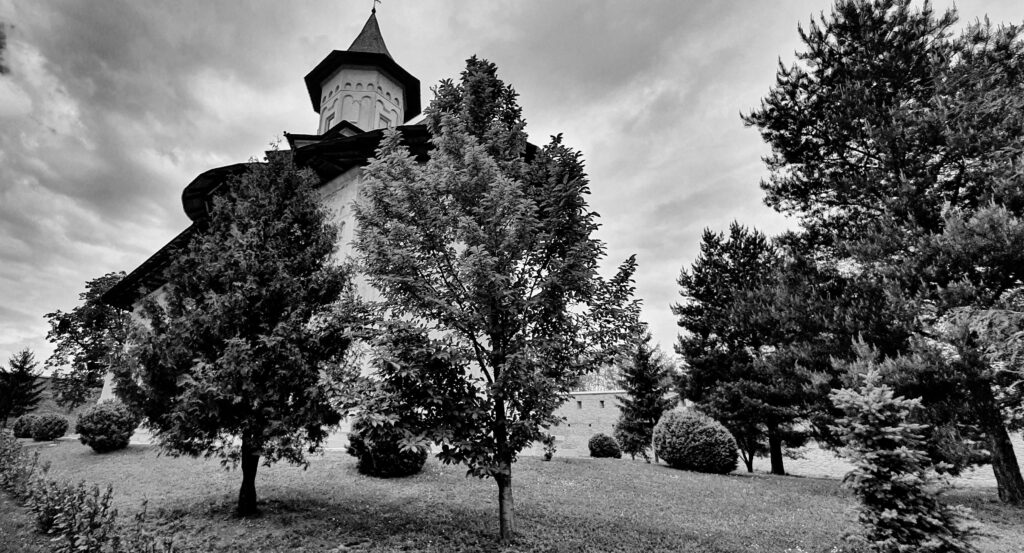
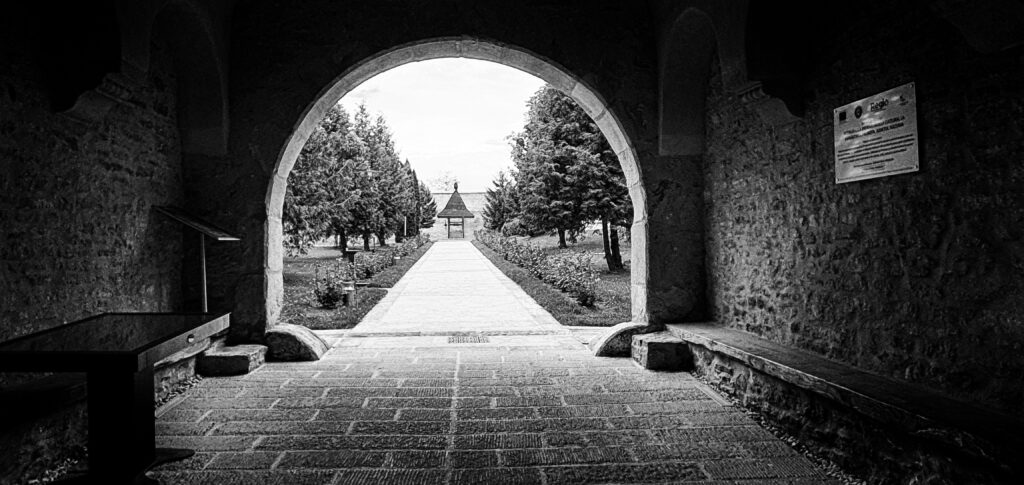
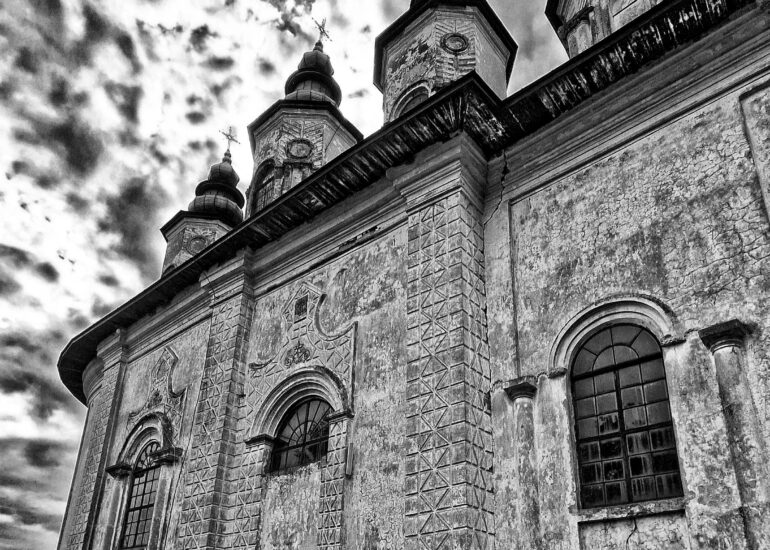
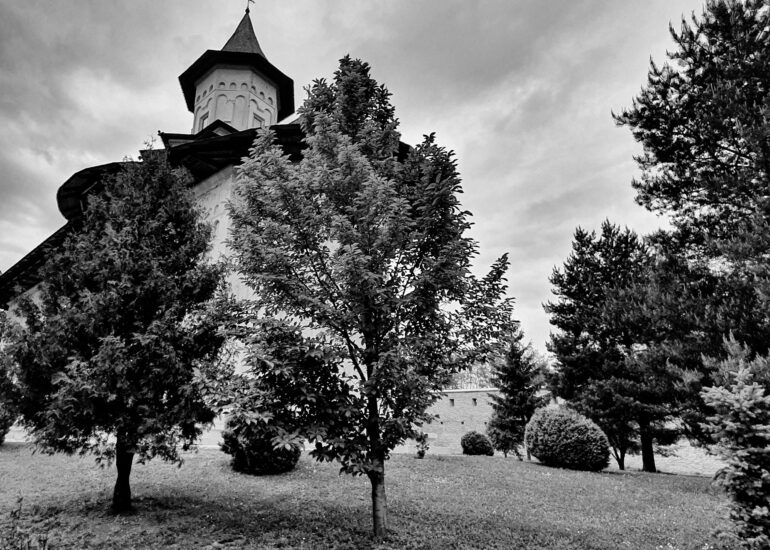
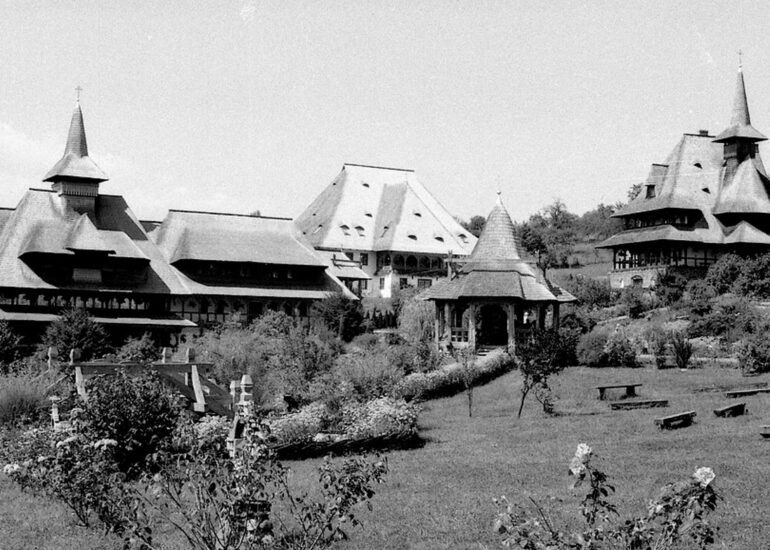
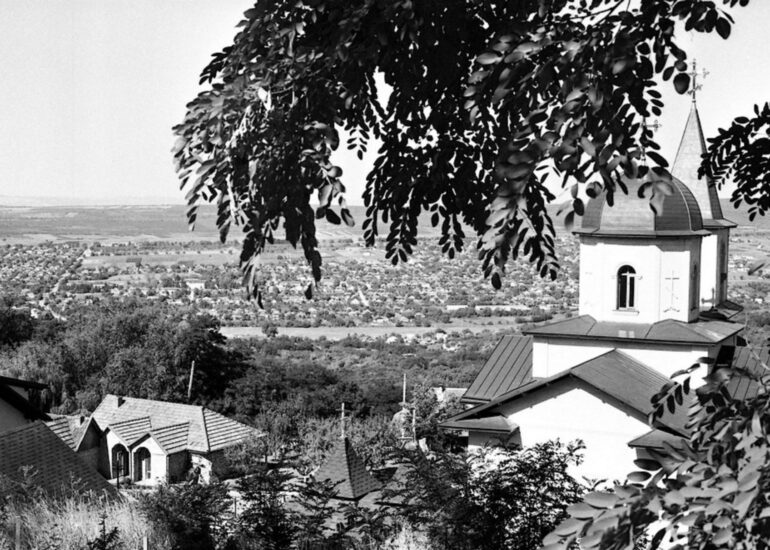
Built in 1530 by one of Stephen the Great sons, Petru Rares, near the current town of Dolhasca, in Suceava county. The old name was Pobrata, modified during the centuries to Probota. When I say it was built in 1530, I meant that what we see today is the third iteration of the monastery: the first one appears to have been built in 1391 by the voyevod Petru Musat I; it was probably destroyed by fire or the Tatar invasions.
At some point in the first decade of the 1400’s, the voyevod Alexander the Good builds a new monastery (apparently replacing the previous one) further away along the river Pobrata, hence the name. This is the monastery that was destroyed due to some natural cataclysm that occurred between 1430 and 1470. We know this because in 1467, Stephen the Great had Lady Oltea, his mother, entombed here.
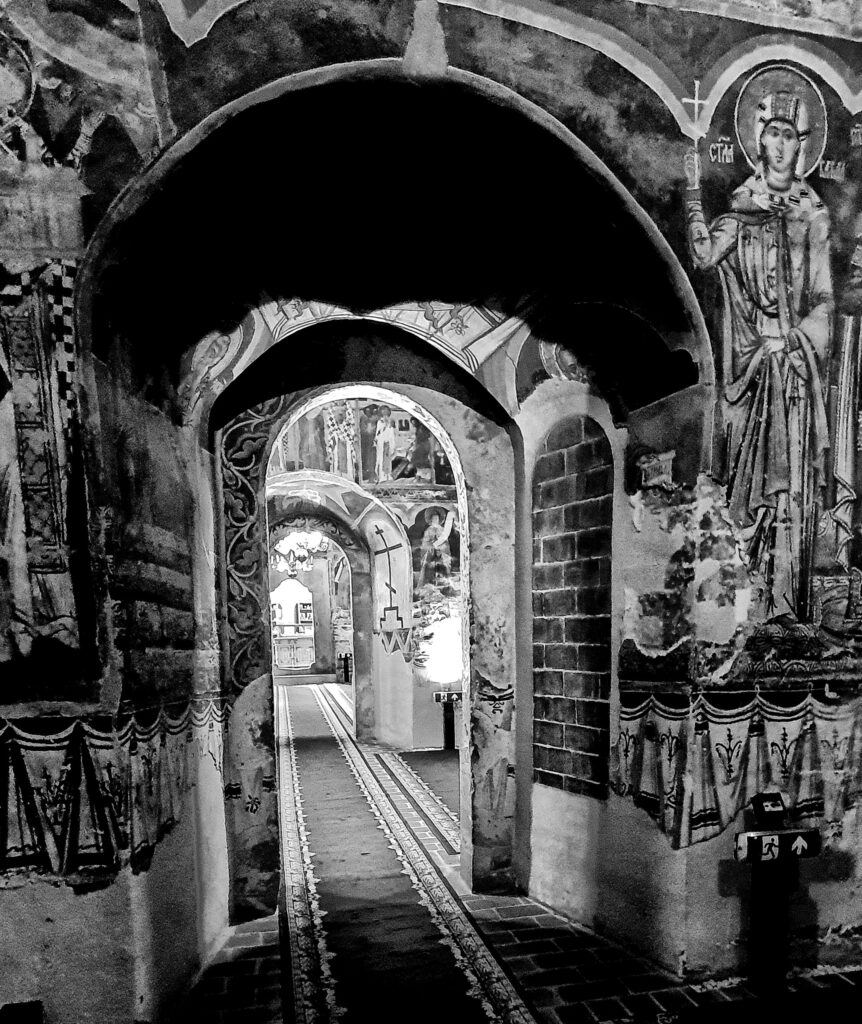
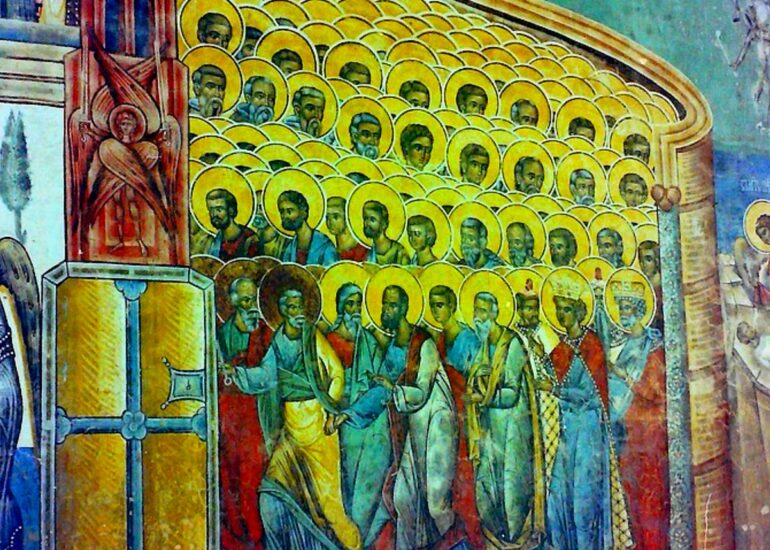
This monastery was also destroyed by a land slide. Petru Rares, son of Stephen the Great, builds another monastery in the same place, and this is the place where the current monastery can be seen today. Year of building is presumed to be around 1525-1527, because in 1527 it is dedicated to the same saint as the previous monasteries, St. Nicholas. The outer frescoes and interior ones where made in 1532.
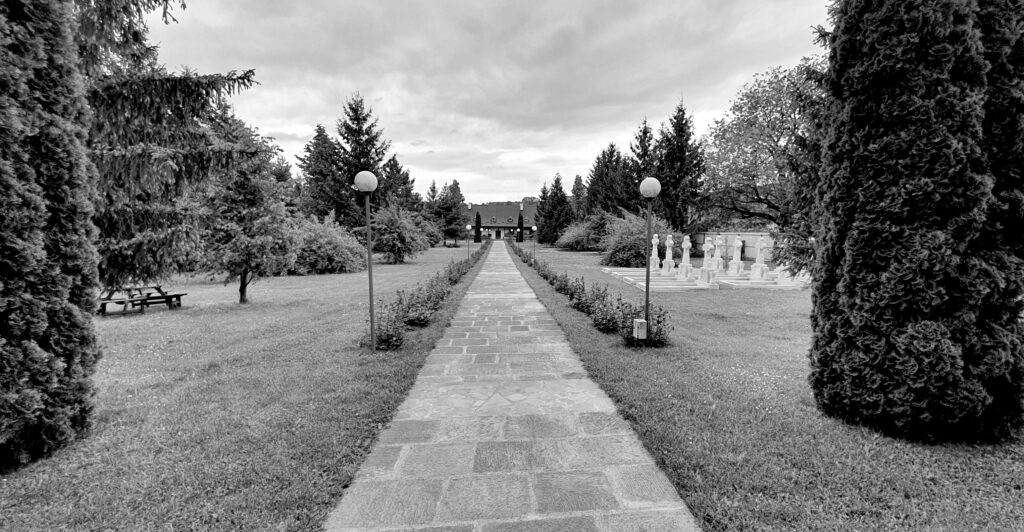
The importance of this monastery cannot be ignored. Traditionally, all voyevods were entombed in the Putna Monastery, together with their families, Stephen the Great being the last one. This was for some 200 years the royal (voyevodal) necropolis. Petru Rares changed that, because he is entombed here, with his own family.
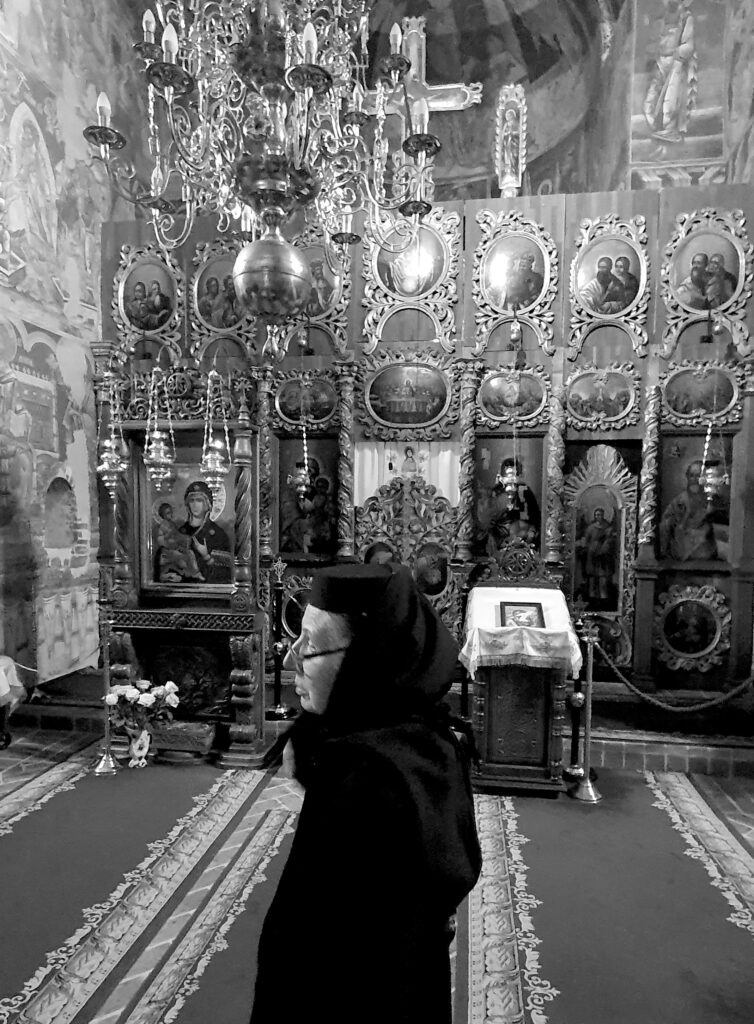
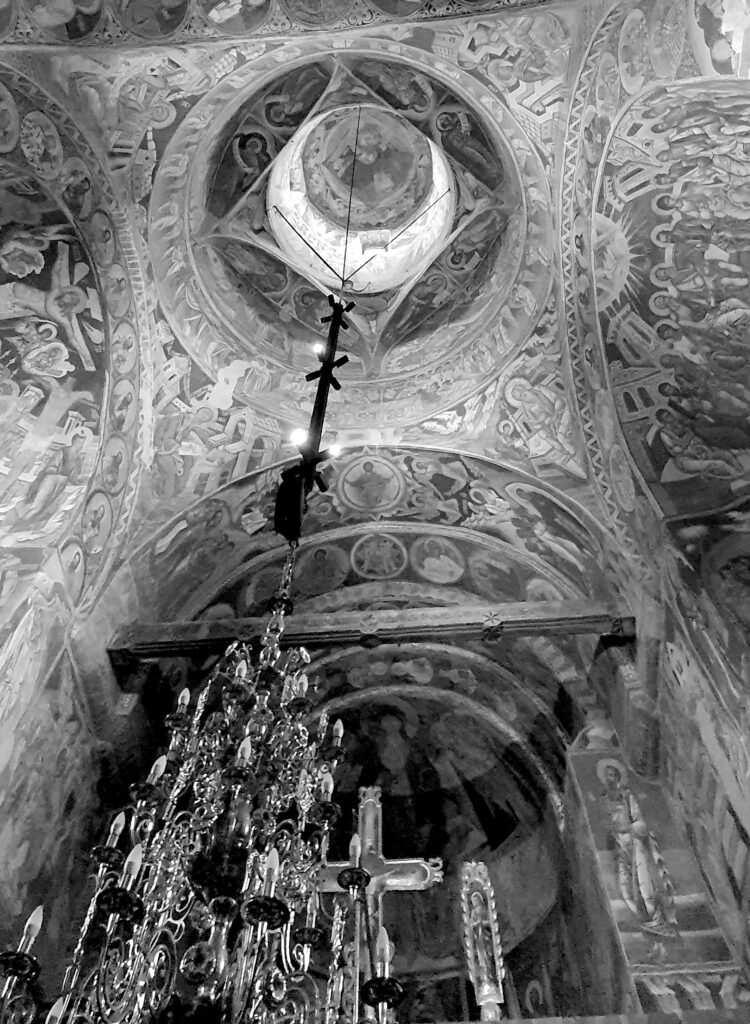
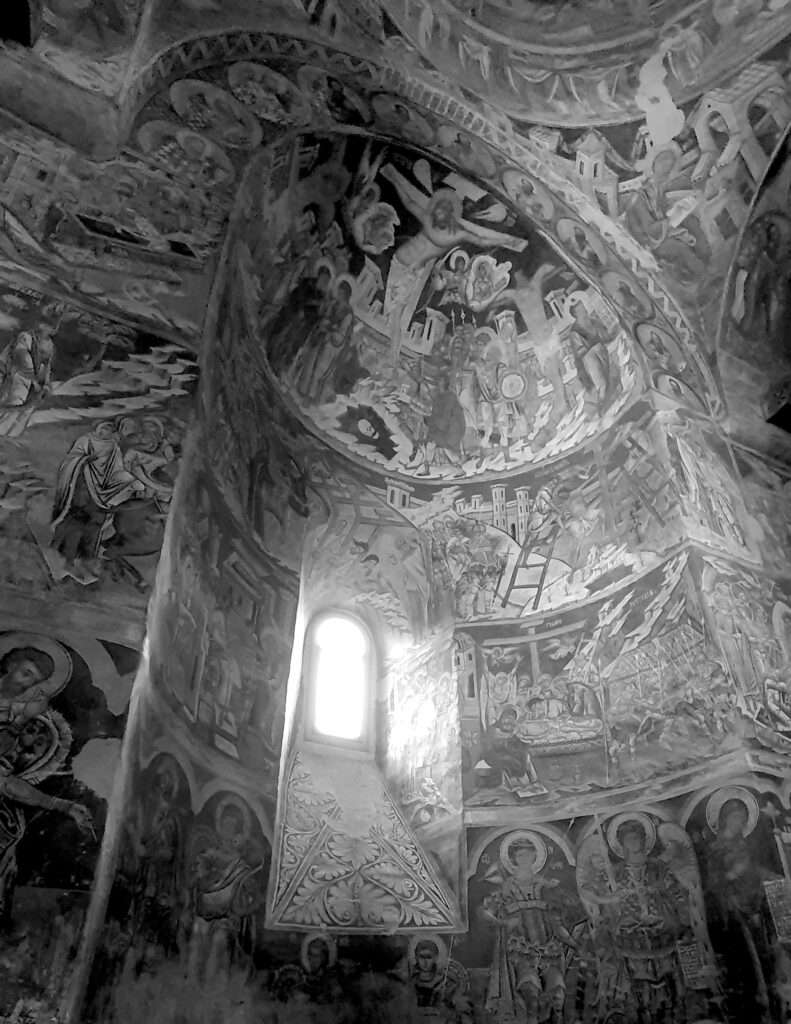
During the last 300 or so years, the monastery slowly fell into disrepair, with many features being either destroyed or badly modified or reconstructed. However, between 1996-2001 a rather large project of restoration started. The project was named the „International Support for the Restoration and the Preservation of Probota Monastery” financed by Japan Trust Fund for World Heritage, funded by UNESCO.
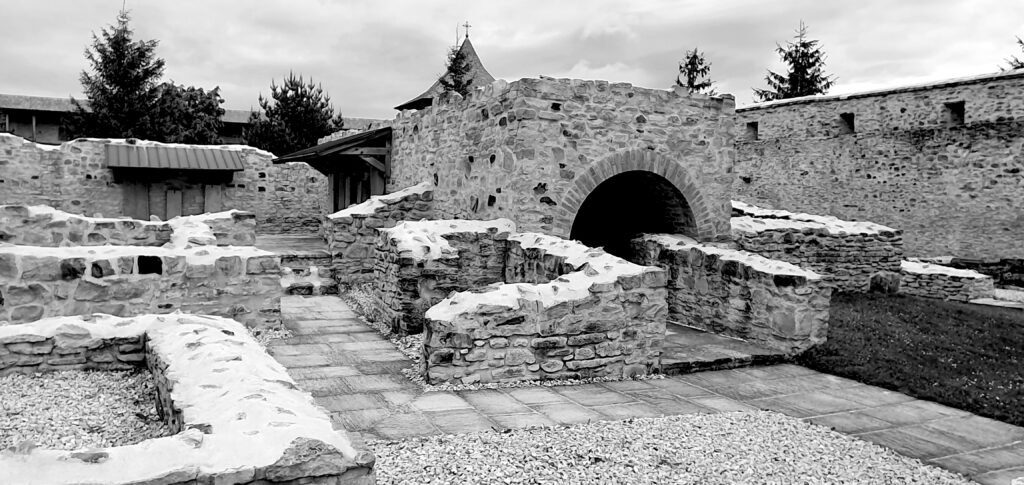
So there you have it, in a nutshell. A beautiful monastery, great location, deeply enshrined in the history of Moldova, witness of the end of the Moldavian best historical period, because starting with the second half of the XVIth century, the voyevodate of Moldova began to lose its independence and the Otoman Empire, Polish Kingdom and the Hungarians increased their control over it. The old days of succesful resistance against every invader were gone, and the voyevods started to be only pale copies of the fiercely proud and astute rulers of this beautiful but unlucky province.
Recently in Portfolio